

Introduction : Marketing Funnel Explained
In today’s competitive digital landscape, simply having a website or running ads is not enough. Businesses that consistently generate leads and sales rely on one powerful concept: the marketing funnel.
Whether you are a freelancer, agency owner, SaaS company, or eCommerce seller, understanding and implementing a marketing funnel, sales funnel, and lead generation funnel can dramatically improve your conversion rates and revenue.
In this comprehensive guide, you’ll learn:
- What a marketing funnel is
- The importance of sales funnels
- How lead generation funnels work
- Step-by-step funnel creation
- Why Systeme.io is one of the best tools for building funnels
- Proven strategies used by top marketers
What is a Marketing Funnel?
A marketing funnel is a step-by-step journey that guides potential customers from awareness to conversion (and beyond).
Think of it as a pipeline:
- At the top → many people discover your business
- In the middle → some become interested
- At the bottom → a smaller group becomes paying customers
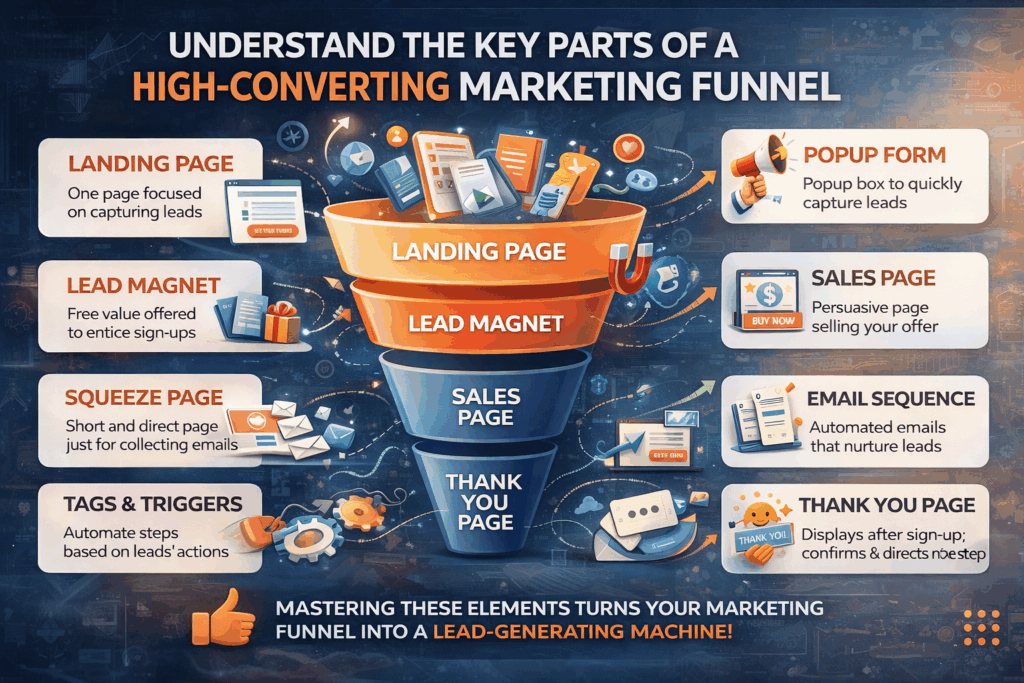
Marketing Funnel Explained: Key Terminologies You Must Know for High-Converting Funnels
A marketing funnel is the step-by-step journey that turns a stranger into a paying customer. To build a high-converting funnel, you must understand the core components that guide users from awareness to conversion.
Let’s break down the most important marketing funnel terminologies in detail.
1. Landing Page
A landing page is a standalone web page designed for a single goal—usually to capture leads or drive a specific action.
Key features:
- Focused headline
- Clear call-to-action (CTA)
- Minimal distractions
- Designed for conversions
Role in marketing funnel:
👉 Used mostly in TOFU (Top of Funnel) to capture attention and leads.
Example:
“Download Free SEO Checklist” page
2. Lead Magnet
A lead magnet is something valuable you offer for free in exchange for a user’s contact details (usually email).
Types of lead magnets:
- eBooks
- Checklists
- Free consultations
- Templates
- Discount coupons
Role in marketing funnel:
👉 Attracts users into your funnel and builds trust.
Golden rule:
The higher the value, the better the conversion rate.
3. Squeeze Page
A squeeze page is a special type of landing page with one purpose: collect email addresses.
Characteristics:
- Very minimal design
- No navigation menu
- Strong CTA
- Focused on one offer
Role in marketing funnel:
👉 Used at the top of funnel to “squeeze” leads into your email list.
4. Tags & Triggers
These are the automation backbone of any marketing funnel.
Tags:
Labels assigned to users based on behavior
- Example: “Clicked Email”, “Visited Pricing Page”
Triggers:
Actions that start automation
- Example:
- User fills form → Send welcome email
- User clicks link → Move to next sequence
Role in marketing funnel:
👉 Helps create personalized journeys and automate follow-ups.
5. Sales Page
A sales page is designed to convert leads into customers.
Key elements:
- Problem + solution
- Benefits and features
- Testimonials/social proof
- Strong CTA (Buy Now / Book Call)
Role in marketing funnel:
👉 Used in BOFU (Bottom of Funnel) to close the deal.
6. Popup Form
A popup form appears on a website to capture attention and collect leads.
Types:
- Exit-intent popup
- Time-based popup
- Scroll-based popup
Role in marketing funnel:
👉 Boosts conversions by capturing visitors before they leave.
7. Thank You Page
A thank you page appears after a user takes action (like submitting a form).
Purpose:
- Confirm action
- Deliver lead magnet
- Guide next steps
Advanced use:
👉 Upsell or redirect users deeper into the funnel
8. Email Sequence (BONUS)
A series of automated emails sent to nurture leads.
Example flow:
- Welcome email
- Value email
- Case study
- Offer
Role in marketing funnel:
👉 Moves users from interest → trust → purchase
9. Call-to-Action (CTA)
A CTA is the action you want users to take.
Examples:
- “Download Now”
- “Book a Call”
- “Start Free Trial”
👉 Every stage of the marketing funnel must have a clear CTA.
10. Funnel Analytics (BONUS)
Tracking performance of your marketing funnel is critical.
Metrics:
- Conversion rate
- Click-through rate
- Cost per lead
- ROI
👉 Helps optimize and scale your funnel.
Final Summary
A successful marketing funnel is not just about pages—it’s about strategy, automation, and user psychology.
Simple Funnel Flow:
Landing Page → Lead Magnet → Email Sequence → Sales Page → Conversion
💡 Pro Insight
Most businesses fail because:
- They don’t have a structured funnel
- Or they don’t optimize each stage
But when you combine all these elements correctly, your marketing funnel becomes a predictable revenue system.
The 4 Main Stages of a Marketing Funnel
1. Awareness (Top of Funnel – TOFU)
This is where people first discover your brand.
Examples:
- Google Ads
- Facebook Ads
- SEO blog posts
- YouTube videos
2. Interest (Middle of Funnel – MOFU)
Here, users start engaging with your content.
Examples:
- Lead magnets (ebooks, guides)
- Email newsletters
- Free webinars
3. Decision (Bottom of Funnel – BOFU)
This is where prospects evaluate your offer.
Examples:
- Case studies
- Testimonials
- Product demos
4. Action
The final stage where conversion happens.
Examples:
- Purchase
- Booking a call
- Signing up
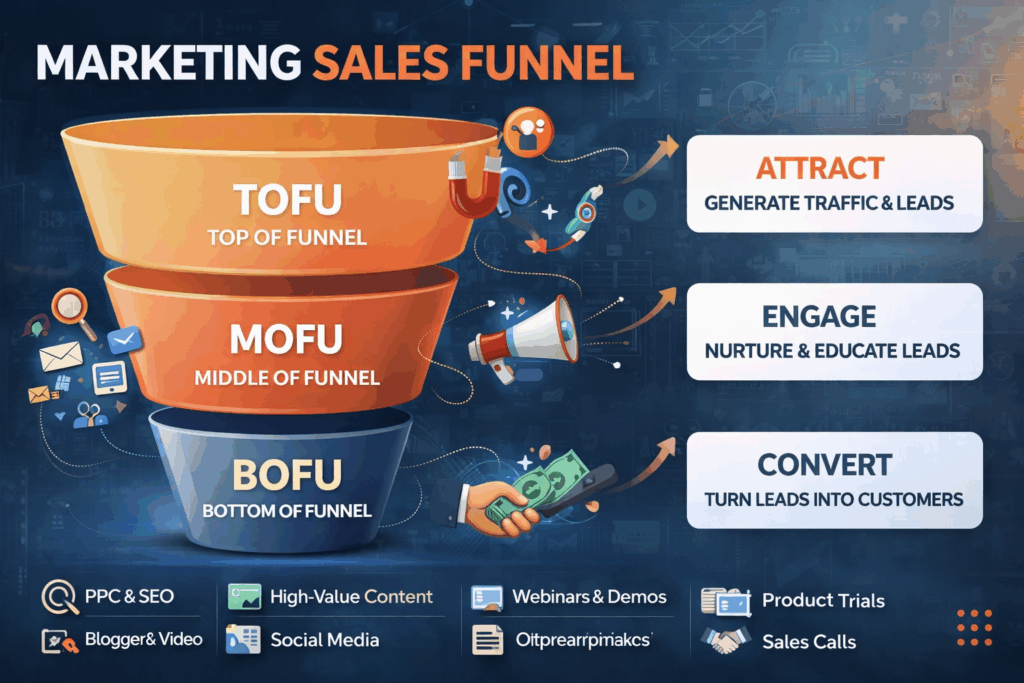
🔝 Top of Funnel (TOFU) — Awareness Stage
What is TOFU?
The Top of Funnel (TOFU) is the first stage of your marketing funnel, where your goal is to attract attention and create awareness.
At this stage:
- People don’t know your brand
- They may not even know they have a problem
- They are NOT ready to buy
👉 Your job is to educate, attract, and engage
🎯 Goal of TOFU
- Generate traffic
- Build brand awareness
- Capture attention
Audience Mindset
Users are thinking:
- “I have a problem, but I’m not sure what the solution is”
- “Let me explore options”
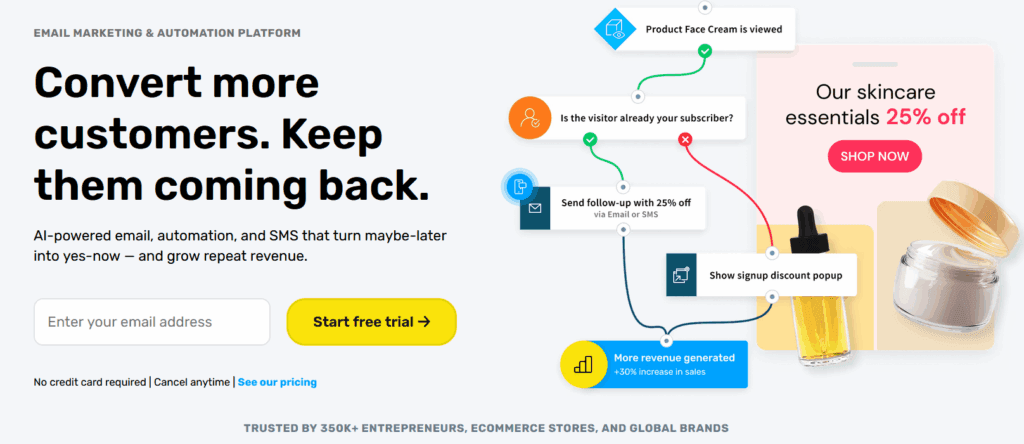
Best TOFU Content Types
1. Educational Content
- Blog posts (like your SEO articles)
- “How-to” guides
- Beginner tutorials
2. Social Media Content
- Instagram reels
- LinkedIn posts
- Facebook ads
3. Video Content
- YouTube tutorials
- Short-form videos
4. SEO Content
- Keyword-focused blogs (e.g., “What is a marketing funnel?”)
TOFU Traffic Sources
- Google Ads
- Facebook Ads
- SEO (organic traffic)
- YouTube
- Influencer marketing
💡 Example (Your Use Case)
You run ads:
👉 “How to get 20 leads in 7 days using Google Ads”
User clicks → reads your content → becomes aware of your expertise
⚠️ Common TOFU Mistakes
- Selling too early ❌
- Too technical content ❌
- No clear messaging ❌
👉 Focus on value, not selling
🔄 Middle of Funnel (MOFU) — Consideration Stage
What is MOFU?
The Middle of Funnel (MOFU) is where leads start evaluating solutions and considering your offer.
At this stage:
- They know their problem
- They are looking for solutions
- They are comparing options
👉 Your job is to build trust and nurture leads
🎯 Goal of MOFU
- Generate leads
- Build trust
- Educate deeper
- Move prospects toward decision
Audience Mindset
Users are thinking:
- “Which solution is best?”
- “Can I trust this person/company?”
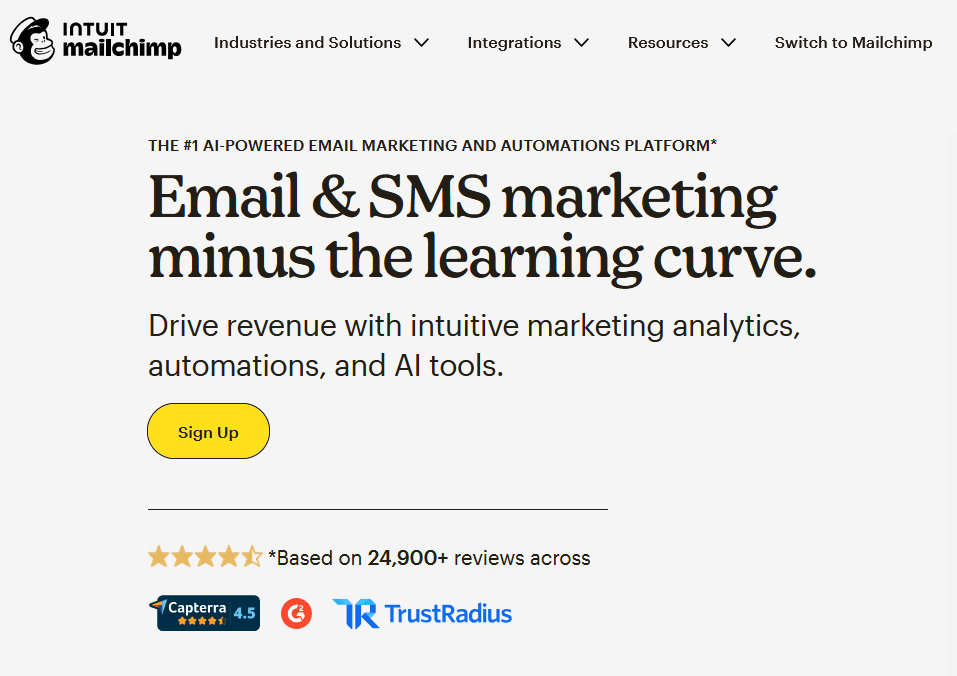
📩 Best MOFU Content Types
1. Lead Magnets
- Free ebooks
- Checklists
- Templates
- Free audits
2. Email Marketing
- Welcome sequences
- Value emails
- Case studies
3. Webinars
- Live or recorded sessions
- Problem-solving presentations
4. Comparison Content
- “Tool A vs Tool B”
- “Best strategies for…”
Funnel Elements in MOFU
- Landing pages
- Email capture forms
- CRM systems
- Automation tools like Systeme.io
💡 Example (Your Use Case)
User downloads:
👉 “Free Guide: How Dentists Can Get 50 Calls Using Google Ads”
Then receives emails:
- Case studies
- Results
- Testimonials
⚠️ Common MOFU Mistakes
- No follow-up emails ❌
- Weak lead magnet ❌
- Lack of trust signals ❌
👉 This is where most businesses lose leads
Bottom of Funnel (BOFU) — Conversion Stage
What is BOFU?
The Bottom of Funnel (BOFU) is the final stage where leads are ready to take action and convert.
At this stage:
- They trust you
- They understand your offer
- They are ready to buy
👉 Your job is to close the sale
🎯 Goal of BOFU
- Convert leads into customers
- Generate revenue
- Remove objections
Audience Mindset
Users are thinking:
- “Is this worth my money?”
- “Should I choose this or another option?”
💳 Best BOFU Content Types
1. Sales Pages
- Clear offer
- Benefits
- Pricing
- CTA
2. Testimonials & Case Studies
- Social proof
- Results-driven content
3. Demos / Free Trials
- Product walkthrough
- Trial access
4. Sales Calls
- Especially for high-ticket services
🔥 Conversion Strategies
- Limited-time offers
- Bonuses
- Discounts
- Guarantees
💡 Example (Your Use Case)
User books a call:
👉 You explain your Google Ads service
👉 Show results
👉 Close deal at $500/month
⚠️ Common BOFU Mistakes
- Complicated checkout ❌
- No urgency ❌
- Weak CTA ❌
👉 Make it easy to say YES
🔁 Complete Funnel Flow (Simple View)
- TOFU → Attract (Ads, SEO, Content)
- MOFU → Nurture (Lead magnet, Emails)
- BOFU → Convert (Sales page, Call, Offer)
📊 Quick Comparison Table
| Stage | Full Form | Goal | Content Type | User Intent |
|---|---|---|---|---|
| TOFU | Top of Funnel | Awareness | Blogs, videos | Learning |
| MOFU | Middle of Funnel | Consideration | Emails, webinars | Comparing |
| BOFU | Bottom of Funnel | Conversion | Sales pages | Buying |
🧠 Pro Strategy (Advanced Insight)
Most businesses fail because:
- They focus only on BOFU (selling)
- Ignore TOFU (traffic)
- Skip MOFU (nurturing)
👉 Winning formula:
Traffic + Trust + Conversion = Revenue
⚡ Final Takeaway
- TOFU = Attention
- MOFU = Trust
- BOFU = Sales
If you align all three stages properly, your marketing funnel, sales funnel, and lead generation funnel will work like a 24/7 automated revenue machine.
What is a Sales Funnel?
A sales funnel is a more focused version of a marketing funnel that is specifically designed to convert leads into paying customers.
While marketing funnels attract and nurture users, sales funnels are designed to close the deal.
Key Components of a Sales Funnel
- Landing Page
- Offer Page
- Checkout Page
- Upsell / Downsell
- Thank You Page
Importance of Sales Funnel in Business Growth
Understanding the importance of a sales funnel can transform your business from inconsistent revenue to predictable growth. In today’s competitive digital landscape, relying on disjointed marketing efforts is a recipe for stagnation. A well-structured marketing funnel acts as a strategic roadmap, mapping out the entire customer journey from the moment a stranger encounters your brand to the point they become a loyal, paying customer.
By implementing a deliberate marketing funnel, you eliminate the guesswork from your business strategy. Instead of hoping for sales, you create a systematic process that predictably attracts, nurtures, and converts prospects, laying a foundational bedrock for sustainable business expansion.
1. Predictable Revenue
With a structured funnel, you can estimate:
$$\text{Traffic} \longrightarrow \text{Leads} \longrightarrow \text{Sales}$$
This allows better planning and scaling. When you treat marketing as a game of chance, your revenue fluctuates wildly. However, a data-driven marketing funnel introduces predictability into your business model.
By tracking how users move through each stage, you can calculate exact conversion metrics. For example, if you know that 1,000 website visitors consistently yield 100 leads, and those 100 leads turn into 10 closed sales, you have a predictable formula. This forecasting power allows business owners to make informed decisions regarding inventory, hiring, and capital investments with absolute confidence.
2. Higher Conversion Rates
Instead of sending users directly to a homepage, funnels guide them step-by-step, increasing conversion rates significantly.
A traditional homepage is often a maze of distractions, filled with dozens of links, about-us pages, and blog posts that dilute the user’s focus. A marketing funnel, by contrast, relies on hyper-targeted landing pages designed for a single, specific action. By removing choice overload and presenting the right message at the exact right moment in the buyer’s journey, you eliminate friction. This streamlined guidance ensures that a much higher percentage of your traffic actually takes action, maximizing the return on your initial marketing investment.
3. Better Customer Understanding
Funnels allow you to track:
- Drop-off points: Where prospects lose interest.
- User behavior: How prospects interact with your content.
- Conversion bottlenecks: The specific barriers preventing a sale.
A comprehensive marketing funnel doubles as a powerful diagnostic tool for your business health. If you notice a massive drop-off between your lead generation page and your checkout page, the data is telling you exactly where the friction lies—perhaps your pricing is unclear, or the checkout process is too cumbersome. This granular visibility allows you to stop guessing what your customers want and start optimizing your strategy based on objective behavioral data.
4. Automation
A properly built sales funnel can:
- Capture leads: Gather data 24/7 without manual intervention.
- Send emails: Deliver personalized messages triggered by user actions.
- Convert customers: Close sales while your team focuses on high-level strategy.
—all automatically. One of the greatest benefits of a modern marketing funnel is its ability to operate around the clock. Through marketing automation software, your funnel becomes a tireless, digital sales representative. It greets new prospects, delivers value, overcomes objections, and pitches offers seamlessly in the background. This shifts your business from a labor-intensive sales model to an asset-driven model, freeing up precious time to focus on product quality and client fulfillment.
5. Scalability
Once your funnel works, you can:
- Increase ad spend: Confidently inject capital knowing your return on investment (ROI).
- Expand to new markets: Replicate your winning framework for different demographics.
- Multiply revenue: Grow your bottom line exponentially without a linear increase in workload.
Scalability is nearly impossible when your sales process relies entirely on manual outreach or erratic referrals. Because a marketing funnel is a repeatable, measurable system, it can handle an influx of traffic without breaking. If your funnel is profitable with 1,000 visitors a day, you can confidently increase your advertising budget to drive 10,000 visitors a day, knowing the system will systematically process those users and multiply your revenue.
What is a Lead Generation Funnel?
A lead generation funnel (or lead gen funnel) is designed specifically to capture contact details of potential customers. It serves as the vital top-and-middle section of your broader marketing funnel, focusing heavily on building a relationship rather than forcing an immediate transaction.
Instead of selling immediately, you:
- Offer value: Provide a high-quality, free resource that solves an immediate problem.
- Collect user information: Trade that valuable resource for an email address or phone number.
- Nurture leads: Build trust, authority, and rapport via targeted email marketing or retargeting ads.
This approach acknowledges that the vast majority of consumers are not ready to buy on their first interaction with a brand. By focusing on lead generation first, you capture the traffic you paid for, allowing you to market to them repeatedly for free, lower your customer acquisition costs, and warm them up until they are ready to purchase.
Structure of a High-Converting Lead Generation Funnel
To build a lead generation mechanism that feeds consistently into your overall marketing funnel, you need a seamless chain of five core components.
Step 1: Traffic Source
Before anyone can enter your funnel, you must attract their attention. This is achieved through targeted traffic acquisition:
- Google Ads: Intent-based search ads that capture users actively looking for solutions.
- Facebook Ads: Interest and demographic-based ads that disrupt scrolling with compelling offers.
- SEO (Search Engine Optimization): High-quality blog posts and organic content that pull in free, sustainable traffic over time.
Step 2: Lead Magnet
The lead magnet is the ethical bribe that incentivizes users to hand over their contact details. It must provide quick, actionable value. Excellent examples include:
- Free PDF / Ebook: Deep dives into a specific industry problem.
- Checklist: A one-page, easily digestible tool for quick wins.
- Webinar: A live or recorded training session showcasing your expertise.
- Free Consultation: A direct breakthrough call for high-ticket service industries.
Step 3: Landing Page
This is a standalone, distraction-free web page where the actual exchange happens. It contains zero external links and focuses entirely on the lead magnet. A high-converting landing page strictly includes:
- Headline: A bold hook that states the main benefit of the lead magnet.
- Benefits: Bullet points detailing exactly what the user will learn or achieve.
- Call-to-action (CTA): An actionable, vibrant button (e.g., “Download Your Free Guide Now”).
- Lead Form: A simple form asking for minimal information (ideally just name and email) to reduce friction.
Step 4: Thank You Page
Often underutilized, this page appears immediately after form submission. It serves two vital purposes:
- Confirms submission: Gives the user clear instructions on how to access their lead magnet.
- Offers the next step: Strikes while the iron is hot by introducing a low-risk upsell, promoting a community join, or offering a calendar link to book a sales call.
Step 5: Email Sequence
Once the contact information is captured, the automated email sequence begins. This is where the magic of the marketing funnel takes place, systematically transitioning the lead from a subscriber to a buyer through a deliberate narrative arc:
- Welcome Email: Instantly delivers the lead magnet and introduces your brand personality.
- Value Emails: Provides un-pitched tips, case studies, and insights to build immense goodwill and authority.
- Offer Emails: Introduces your core product or service, outlines the benefits, creates urgency, and directly invites them to make a purchase.
Marketing Funnel vs Sales Funnel vs Lead Generation Funnel
| Funnel Type | Purpose | Goal |
|---|---|---|
| Marketing Funnel | Attract & nurture audience | Awareness to engagement |
| Lead Generation Funnel | Capture leads | Build email list |
| Sales Funnel | Convert leads | Generate revenue |
How to Build a High-Converting Marketing Funnel (Step-by-Step)
Step 1: Define Your Target Audience
Ask:
- Who is your ideal customer?
- What are their pain points?
- What solution do you offer?
Step 2: Create an Irresistible Offer
Your offer should:
- Solve a problem
- Be easy to understand
- Provide immediate value
Step 3: Build a Landing Page
Key elements:
- Strong headline
- Clear benefits
- Social proof
- CTA button
Step 4: Set Up Email Automation
Use sequences like:
- Day 1: Welcome
- Day 2: Value
- Day 3: Case study
- Day 4: Offer
Step 5: Drive Traffic
Traffic sources:
- Paid ads
- SEO
- Social media
- YouTube
Step 6: Optimize & Scale
Track:
- Conversion rate
- Cost per lead
- ROI
Importance of Lead Generation Funnel
A lead generation funnel is not just a marketing tactic; it is the strategic backbone essential for long-term business success. In digital marketing, relying on transactional, one-off traffic is a recipe for volatile revenue. By implementing a structured marketing funnel, businesses can systematically capture casual visitors, convert them into prospects, and guide them toward becoming loyal customers.
When you deeply understand the mechanics of a marketing funnel, it transforms your customer acquisition from a game of chance into a predictable system. Here is a detailed look at why this framework is so vital, followed by the critical pitfalls to avoid when building your own.
1. Builds an Audience Asset
One of the most significant advantages of a structured marketing funnel is that it turns fleeting internet traffic into a tangible, owned asset.
Social media platforms change their algorithms overnight, drastically cutting organic reach and forcing businesses to pay to reach their own followers. In contrast, when a marketing funnel successfully captures a prospect’s email address or contact information, that data belongs entirely to your business.
An email list is an owned asset. It provides a direct, unmediated line of communication with people who have actively expressed interest in what you offer. Over time, this database becomes an incredibly valuable resource that generates predictable revenue on demand, completely independent of third-party advertising platforms.
2. Improves Trust
In the modern digital landscape, consumers are highly skeptical. People rarely buy on their very first interaction with a brand. Expecting a cold visitor to immediately purchase a high-ticket product or commit to a long-term contract is unrealistic.
A well-designed marketing funnel accounts for this human psychology by implementing a nurturing sequence. The top of the funnel focuses on awareness and education, providing free value without asking for a sale. As prospects move deeper into the marketing funnel, they receive targeted case studies, testimonials, and deeper insights that address their specific pain points. This gradual process systematically nurtures trust, lowering the psychological barrier to purchase and making the final conversion feel like a natural next step.
3. Reduces Ad Costs
Acquiring a brand-new visitor through paid advertising is becoming increasingly expensive across all major platforms. If your only strategy is to repeatedly pay for cold traffic, your profit margins will eventually collapse.
A marketing funnel dramatically improves your return on ad spend (ROAS) by utilizing retargeting and email automation. Once a user enters your marketing funnel—even if they don’t buy right away—you can retarget them with highly specific ads based on the exact pages they visited or the resources they downloaded. Retargeting existing leads is significantly cheaper than acquiring entirely new ones. Furthermore, once they are in your email sequence, the cost of marketing to them drops to near zero, heavily optimizing your overall acquisition costs.
4. Increases Lifetime Value (LTV)
The true profitability of a business rarely comes from the initial purchase; it comes from subsequent, repeat purchases. A robust marketing funnel shifts your focus from a single transaction to the entire customer lifecycle.
Once a lead is captured and successfully converted into a first-time buyer, the marketing funnel continues to work in the background. Through automated backend sequences, you can introduce these existing customers to complementary cross-sells, premium upsells, or recurring subscription models. Because you have already established trust and bypassed the initial acquisition cost, selling multiple products to the same lead maximizes their Lifetime Value (LTV) and significantly boosts your net profitability.
Common Mistakes in Funnel Building
Even with the best intentions, a poorly optimized marketing funnel will leak leads and waste advertising budget. If your funnel isn’t converting, it is almost always due to one of these five critical mistakes:
- Sending traffic to the homepage: The homepage is designed for exploration; it contains too many links, navigation menus, and distractions. Sending paid traffic there paralyzes the user with choice. A successful marketing funnel relies on a dedicated landing page with a single, clear call-to-action (CTA).
- Weak offer: If your lead magnet (the free resource offered in exchange for an email) is generic or low-value, users won’t sign up. Your offer must solve a specific, immediate problem for your target audience to compel them to take action.
- No email follow-up: Capturing a lead means nothing if you let them go cold. Failing to implement an automated email sequence immediately after opt-in completely defeats the purpose of the trust-building phase of your marketing funnel.
- Poor landing page design: A cluttered layout, slow loading speeds, or a confusing visual hierarchy will cause visitors to bounce within seconds. The design should be clean, fast, mobile-friendly, and heavily focused on the core benefit of the offer.
- No tracking or analytics: You cannot fix what you do not measure. Without proper tracking pixels and analytics tools, you are flying blind. You must know exactly where users are dropping out of your marketing funnel—whether it’s a low click-through rate on the landing page or a drop-off in email opens—so you can systematically optimize the system.
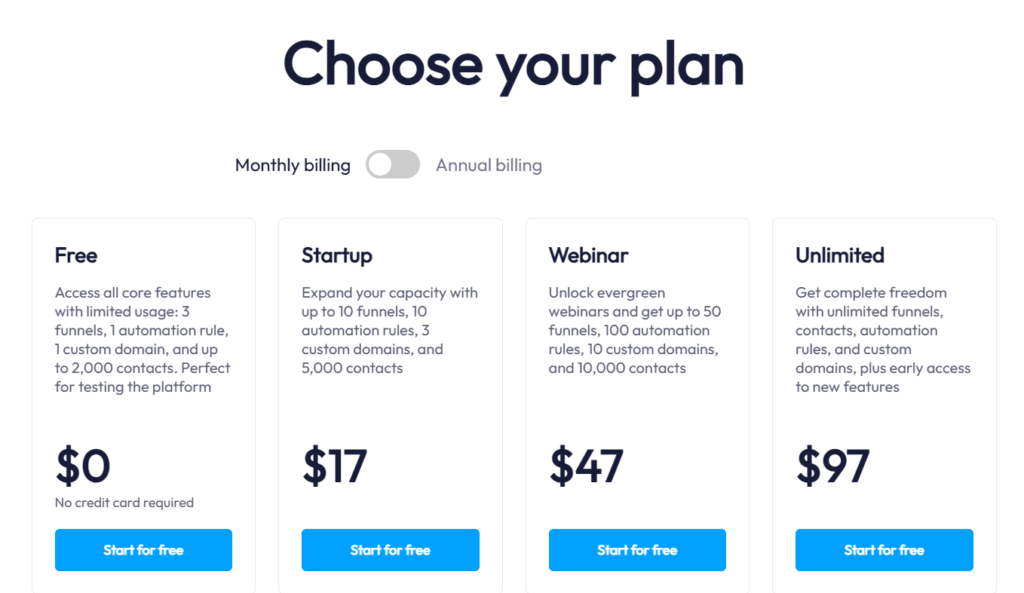
Why Systeme.io is the Best Tool for Sales Funnels
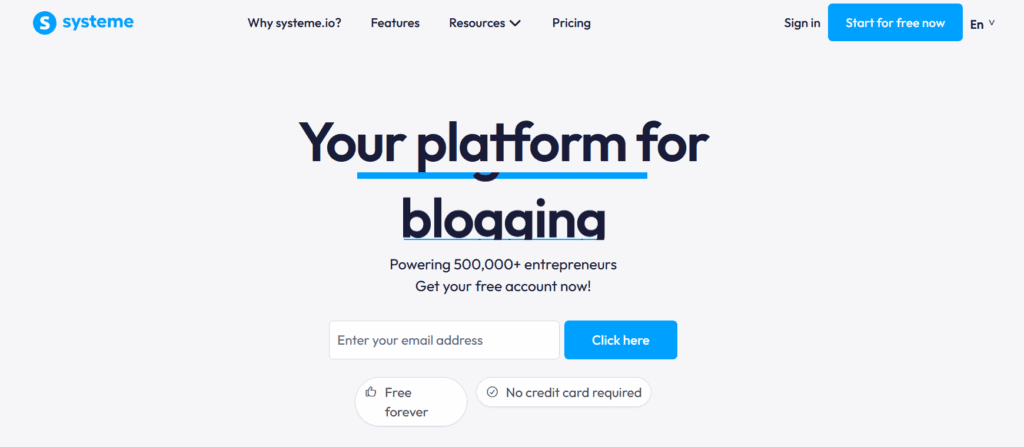
If you are serious about building funnels without technical complexity, Systeme.io is one of the most powerful tools available.
1. All-in-One Platform
You get:
- Funnel builder
- Email marketing
- Automation
- Course hosting
- Affiliate system
All in one place.
2. Beginner-Friendly
No coding required:
- Drag-and-drop builder
- Ready-made templates
3. Cost-Effective
Compared to tools like:
- ClickFunnels
- Kartra
Systeme.io offers:
- Free plan
- Affordable upgrades
4. Automation Features
You can automate:
- Emails
- Workflows
- Sales processes
5. High-Converting Templates
Pre-built funnels for:
- Lead generation
- Webinar funnels
- Sales funnels
Example of a Complete Marketing Funnel
Let’s take a real-world example for a digital marketing consultant:
Funnel Flow:
- Facebook Ad → “Get 20 Leads in 7 Days”
- Landing Page → Free Guide
- Email Capture
- Thank You Page → Book a Call
- Email Sequence → Case studies + offer
- Sales Call → Conversion
Advanced Funnel Strategies
1. Tripwire Funnel
Low-cost offer (₹99–₹499) to convert cold traffic quickly.
2. Webinar Funnel
Great for high-ticket offers:
- Education → Trust → Conversion
3. Application Funnel
Used for premium services:
- Qualification → Call → Close
4. Retargeting Funnel
Show ads to:
- Visitors
- Leads
- Cart abandoners
Metrics to Track in Your Funnel
- Conversion Rate
- Cost Per Lead (CPL)
- Customer Acquisition Cost (CAC)
- Return on Ad Spend (ROAS)
- Lifetime Value (LTV)
SEO Strategy for Marketing Funnel Keyword
To rank for keywords like:
- marketing funnel
- sales funnel
- lead generation funnel
- lead gen funnel
You should:
- Use keyword in headings
- Optimize meta tags
- Build backlinks
- Publish long-form content (like this)
- Use internal linking
Future of Marketing Funnels (2026 & Beyond)
- AI-powered personalization
- Chatbot funnels
- Voice search funnels
- Video-first funnels
Funnels are becoming smarter and more automated.
Frequently Asked Questions (FAQ)
1. What is a marketing funnel in simple terms?
A marketing funnel is a process that guides potential customers from discovering your brand to making a purchase.
2. What is the difference between a sales funnel and a marketing funnel?
A marketing funnel focuses on attracting and nurturing leads, while a sales funnel focuses on converting those leads into customers.
3. What is a lead generation funnel?
A lead generation funnel is designed to capture user information (like email or phone number) so you can follow up and convert them later.
4. How do I create a high-converting sales funnel?
- Create a strong offer
- Build a landing page
- Add email automation
- Drive targeted traffic
- Optimize continuously
5. Is Systeme.io good for beginners?
Yes, Systeme.io is one of the best beginner-friendly tools because it offers an all-in-one solution at a very low cost.
6. How much does it cost to build a funnel?
You can start:
- Free (using Systeme.io)
- Paid tools: ₹2,000–₹10,000/month
- Ads budget: depends on goals
ALSO READ:
HubSpot Marketing Automation: The Ultimate Guide for Small Business Growth in 2026
Wix Web Builder: The Ultimate Guide for Small Businesses & Local Entrepreneurs (2026)
Conclusion
A well-structured marketing funnel, combined with a powerful sales funnel and lead generation funnel, is the backbone of any successful online business.
If you want:
- Consistent leads
- Predictable sales
- Scalable growth
Then building a funnel is not optional—it’s essential.
Using tools like Systeme.io, even beginners can create high-converting funnels without technical expertise.
Now is the best time to start building your funnel and take your business to the next level.
Pro Tip: Start simple → test → optimize → scale.
Your funnel is your digital salesperson working 24/7. Ready to take your business to the next level? Don’t wait for customers to find you—let a certified Google Ads expert create a tailored advertising strategy that drives calls, bookings, and real results. Click the button below to book your appointment now and start generating high-quality leads today!
Leave a Reply